
My Relationship With Anger
Growing up with a volatile parent, becoming an angry person and unlearning the patterns as a mom.

I grew up in a house with an angry father.
Not violent, just unpredictable. His voice could rise without warning. Sharp, booming, too loud for the space it filled. We all learned to adapt to it. My brother and I responded differently. My brother turned inward, quiet and contained. Even now, I rarely know what he’s feeling because he keeps it so guarded. I went the other way.
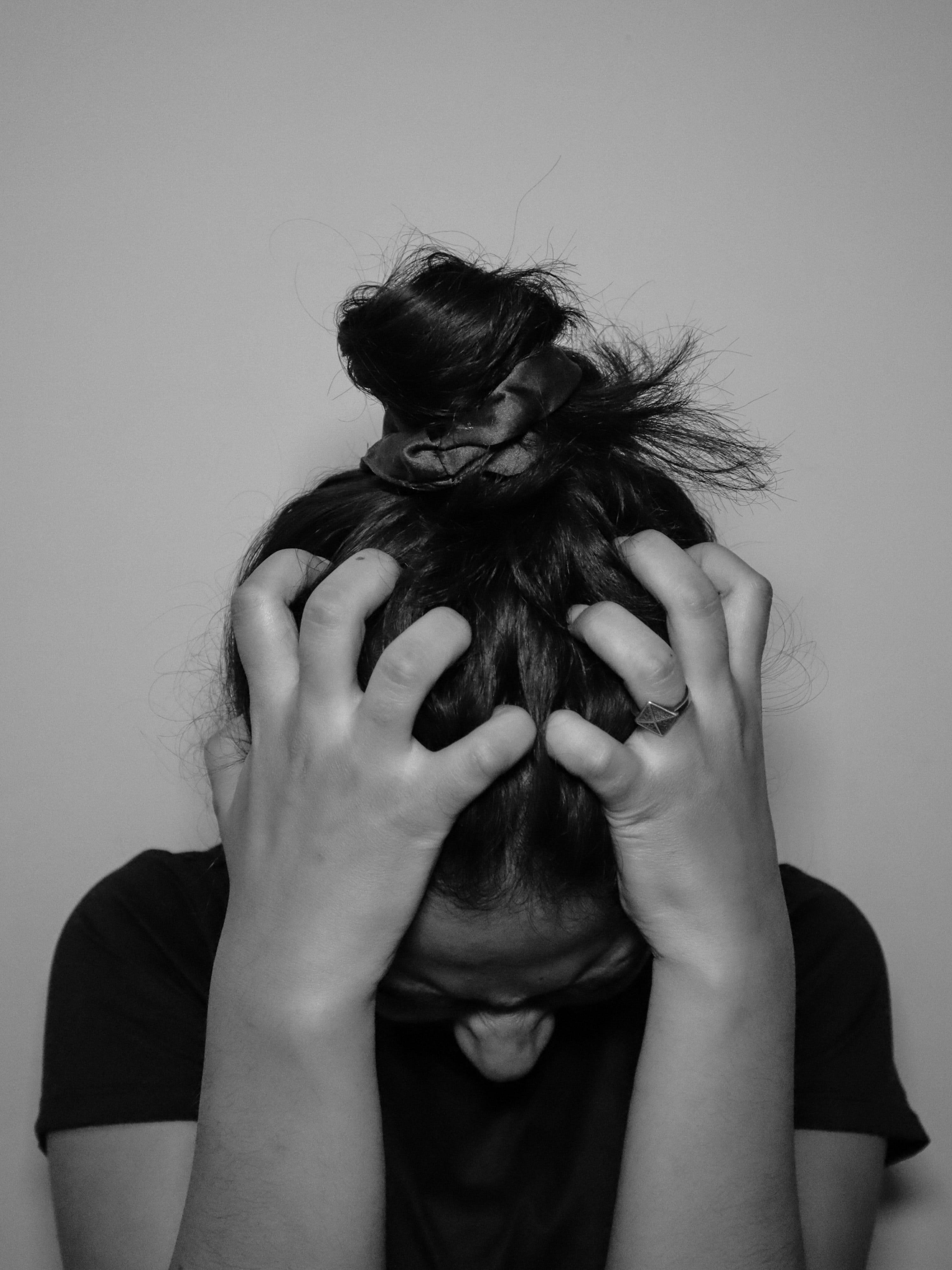
I became like my father… emotionally expressive, reactive, sometimes volatile. I can feel emotion rise quickly in my body, especially anger. It’s almost genetic, like it lives in my blood.
And before I realized it myself, most people in my life have had to deal with my anger the same way I had to deal with my dad’s — carefully. Watching their words, adjusting their tone, waiting for the storm to pass. That’s the ugly truth.
Over time, I’ve started to see how deeply my anger is tied to my childhood patterns repeating themselves. It’s not random. It shows up when I feel unheard, dismissed, misunderstood, or unseen — the same feelings I lived with growing up. When someone interrupts me, overlooks my effort, or questions my intentions, it touches those old wounds instantly. It’s like my body remembers the feeling of not being celebrated or believed, and the anger rushes in to protect that small, hurt version of me.
Knowing this hasn’t made the anger disappear, but it’s made it more understandable. It’s given me a pause — a chance to see that the person in front of me isn’t the one who caused the original hurt. They’ve just stumbled into its echo.
The echo in motherhood
These days, I see my anger most clearly through motherhood.
My son is two and a half and in a hitting phase. When he doesn’t get what he wants, he lashes out — not to be mean, but because he’s overwhelmed and still learning how to express himself.
Yesterday, we were driving to an airplane café in Bangkok. He loves planes, and I’d been looking forward to taking him all week. But by the time we got there, he was tired, overstimulated, and furious about his seatbelt. When I wouldn’t unbuckle it, he hit me — once, twice, hard.
It’s incredible how fast the heat rises. The same fire I saw growing up, the one I’ve spent my whole life trying to avoid, lives inside me too. I felt it build in my chest, that urge to raise my voice, to match energy with energy. But then I saw his little face — red, confused, still learning language — and I took a breath.
That moment wasn’t about control. It was about awareness. About choosing not to let the past decide how I parent in the present.
What’s helped me
Before motherhood, I could let my anger run its course. It would flare up, usually with my husband, and then fade on its own. Things would eventually settle, and I’d move on.
But motherhood doesn’t allow that kind of carelessness. If I let my anger go unchecked, my child will have to live with it — and worse, absorb it. It might bleed into his behavior, his nature. That thought alone changes everything.
Over time, I’ve noticed three small things that help me, even if imperfectly.
First, naming it. Saying, I’m angry. It sounds simple, but that moment of acknowledgment creates distance. It keeps the emotion from taking over completely.
Second, breathing. A few deep, deliberate breaths can do what years of overthinking can’t. It’s a small miracle, really — how something so basic can reset your whole body.
Third, perspective. Reminding myself that there’s another person in this moment too — my child, my partner, whoever it is — with their own feelings and reasons. It helps me remember that my version of the story isn’t the only one.
And sometimes, I add a quiet fourth: not taking everything so seriously. Unless it’s life or death, I remind myself it’s okay to let things go.
It doesn’t always work. But even if I manage one of these steps, it usually shifts something inside me. It gives me just enough space to respond instead of react.
The rest — the apology, the repair — that’s a longer journey. I’m learning it slowly, and maybe that’s something I’ll write about another day.
Redefining the inheritance
My father’s anger shaped me, but it doesn’t have to define me. I can feel it without becoming it.
Breaking a cycle doesn’t mean never getting angry. It means recognizing it sooner. Repairing faster. Speaking softer afterward.
It means remembering that I can show my son what it looks like to feel deeply and still choose gentleness.
And maybe that’s what emotional literacy really is — not avoiding the hard emotions, but learning to understand them before they spill over.
Anger isn’t my enemy anymore. It’s a teacher. One that keeps reminding me:
my boundaries matter, my rest matters, and my peace matters too.
🌿 A gentle practice
Think about a person, situation, or memory that really triggers your anger.
It could be something small — a careless comment, a moment of disrespect — or something larger, like an old injustice that still lives in your body.First, name it. This is anger.
Then, take a few slow, deliberate breaths. Notice what happens inside you when you do.
Ask yourself, where does this come from? What is this moment really touching in me?See if you can talk to the anger instead of pushing it away.
Ask what it needs. Ask what it’s trying to protect.Sometimes that’s all it takes — to stop fighting it, and to start listening.
I lived with my late husband who was bipolar and my children and I coped with his mood swings the same way you describe. We were always walking on egg shells, or more like razor’s edge. Lately I have found myself getting upset with my adult children when I feel disrespected. And I see how what I lived with is responsible for this shift in my behavior. When he was alive, I wasn’t as volatile with my children, because we were all dealing with him.
This touched me 💖