
The 7 Ayurvedic Shifts That Are Healing My Nervous System and Reconnecting Me to Myself
From someone who’s lived with anxiety, burnout, and self-doubt all her life.

Recently, in an effort to find grounding, I’ve been wanting to reconnect with my Indian ancestral roots.
In that process, I discovered Ayurveda.
It’s funny because Ayurveda has always been around me. My in-laws even run an Ayurvedic wellness centre in India. And while I’ve heard about it all my life, something clicked this time. Something about it spoke to me deeply, and I couldn’t stop reading, researching, and experimenting.
And it has changed everything. The way I see my body, the way I live my day, the way I relate to myself.
It hasn’t been long, but the difference has been profound.
I wanted to share what’s been working for me, not as an expert, just as someone who’s been living in chronic anxiety, burnout, and post-partum overwhelm, and who’s finally starting to feel aligned with herself again.

1. Understanding My Body (and Its Doshas)
The foundation of Ayurveda is the idea that we are all made of three energies, or doshas:
Vata (air + space), Pitta (fire + water), and Kapha (earth + water).
Most of us are a mix of two, and imbalance happens when one goes out of proportion.
I always thought I was Vata (anxious, restless, airy), but I realized I’m actually Vata-Pitta, and my Pitta (fire) was way out of balance.
That excess fire showed up as acidity, inflammation, irritability, and insomnia. I was literally running on heat and adrenaline.
Understanding that my body wasn’t “wrong,” just overheated, changed how I treated myself.
Now I focus on cooling foods, grounding rituals, and slowing down.
2. Building Anchoring Rituals (My Version of Dinacharya)
In Ayurveda, the daily rhythm of life is called Dinacharya. It simply means living in sync with nature — waking with the sun, eating when digestion is strongest, and sleeping before the body’s natural reset begins.
My Dinacharya has three parts:
Morning:
I wake before sunrise (around 6 a.m.) when the world is still quiet.
I do tongue scraping to remove ama (toxins) from the body, followed by oil pulling with black sesame oil. Then I sit on my balcony swing with a warm cup of cumin, coriander, and cardamom tea, soaking in the morning sun. That moment of stillness sets the tone for my day.
Midday:
My “through-the-day” rhythm revolves around mindful meals and my bath ritual.
I do abhyanga (self-massage with warm sesame or coconut oil) before my shower. I eat my biggest meal when the sun is strongest at 12noon, my dinner is before sunset, and I eat slowly. These small anchors tell my nervous system that I’m safe and cared for, and it gives my body ample time to digest and reset before sleep.
Night:
After my son goes to bed, I have my quiet time again, usually on the swing, under the warm light.
I keep screens away for at least an hour before bed.
Then I do “legs up the wall” for five minutes to reset my nervous system, oil the soles of my feet (a gesture of gratitude and rest), and apply oil to my navel before sleeping.
I go to bed around the same time every night, and it’s changed everything - my sleep, my digestion, even my HRV drastically.
3. Spices as Medicine (But Not Every Spice for Everyone)
I used to think turmeric was universally amazing, until I learned that fresh turmeric actually overheats my system.
Whenever I take it raw, my heart races and my body feels hot for hours. It’s a classic Pitta reaction.
Ayurveda taught me that spices are medicine, but only when used with awareness.
Cumin, coriander, fennel, and cardamom cool me down.
Chili, mustard, and too much ginger do the opposite.
Now I cook with intention. Every spice I use has a reason.
4. Mindfulness as a Lifestyle
Mindfulness isn’t just about meditation. It’s about how I live: what I eat, what I wear, what I watch.
I’ve started replacing chemical-heavy products with natural ones. Oils and aloe vera for my hair and skin, gentle cleansers, coconut and sesame oil instead of synthetic lotions.
It feels cleaner, simpler, and more connected.
I’ve also completely changed how I use social media. I deleted Instagram, Facebook, Threads, and LinkedIn. All the platforms that used to spike my anxiety.
Now I only use Substack and YouTube, where I can choose what to consume and when. And I do it mindfully.
Ayurveda talks about Agni, the fire that digests food and impressions.
Reducing digital noise has done as much for my Agni as changing my diet.
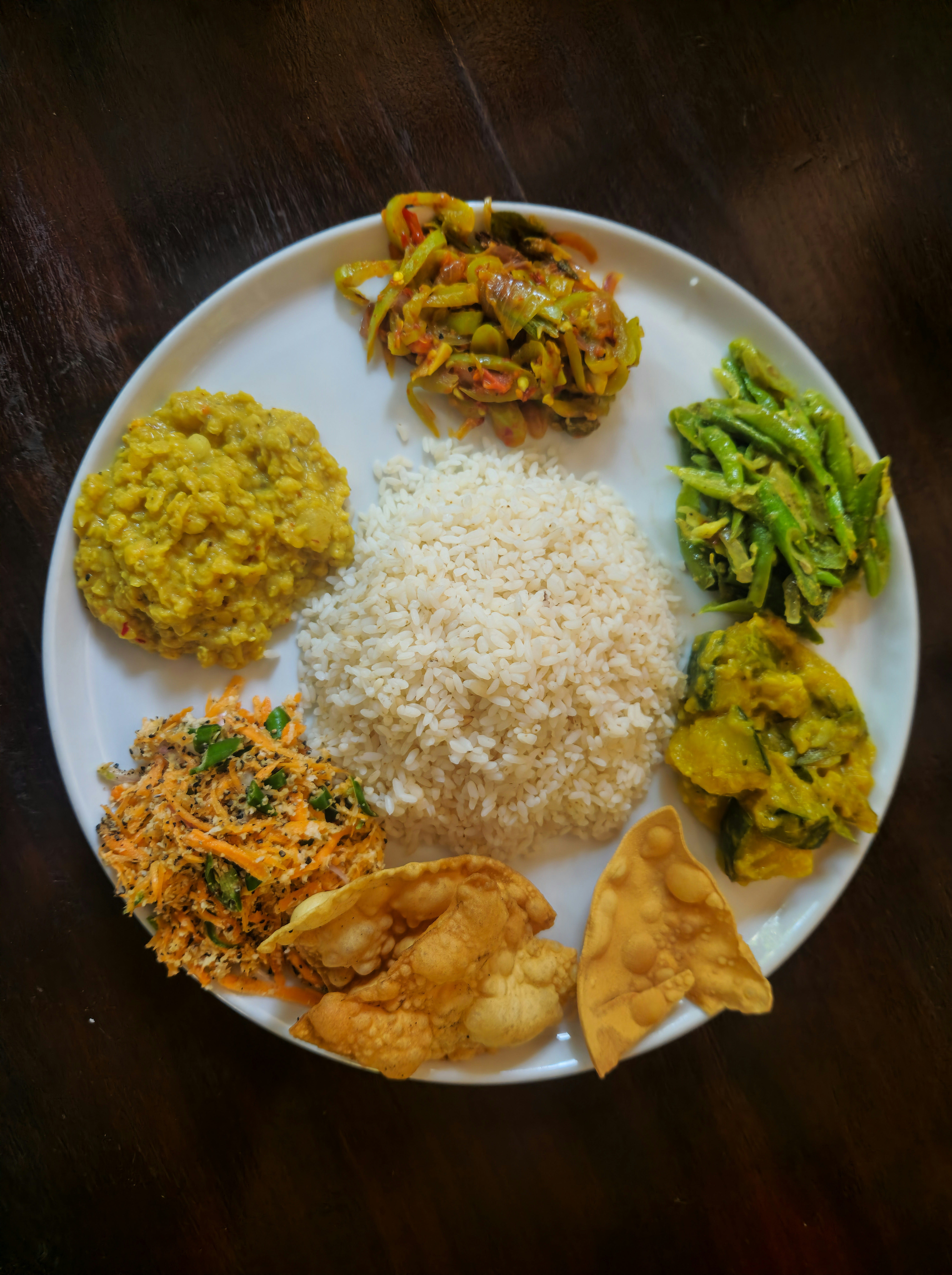
5. Food That Grounds Instead of Depletes
I used to live on raw salads, smoothies, and “low-carb” meals, thinking that was healthy.
But I always felt bloated, cold, and restless.
Now I eat warm, oily, home-cooked Indian food. Dal, rice, sabzi, khichdi with zucchini or lauki, a little paneer or chicken.
I eat with the sun: breakfast at 8, lunch around 12–1, dinner before 6.
And I don’t skip meals anymore. I honor hunger cues, eat slowly, and stop when I’m full.
Warm, spiced, simple food feels like medicine to my Vata-Pitta body.
6. Rest as a Non-Negotiable
Sleep is not an afterthought anymore. It’s medicine.
Eight hours. Every night. No exceptions.
Before bed, I do my grounding routine. Skincare, gratitude journaling, oiling my feet, and quiet visualization and sleeping at the same time.
When I sleep well, everything in my body works better - hormones, digestion, mood, even self-worth.
My resting heart rate has dropped from 78 to 54 in just a few weeks.
7. Living in Alignment (My Version of Dharma)
In Ayurveda, Dharma means living in alignment with your truth.
For me, that means raising my vibration, through gratitude, affirmations, visualization, and love.
Every night, I thank my body, my home, my family. I send love to the people who challenge me. I see them healed.
That practice alone has changed how I start and end my days.
I’m not “healed.” I’m learning.
But I’ve realized that my body responds not to punishment, but to presence.
These simple Ayurvedic habits of waking with the sun, eating with intention, sleeping on time, and honoring my senses have given me something I didn’t know I’d lost: a friendship with my body.
And once that friendship starts to rebuild, everything else starts to shift too.